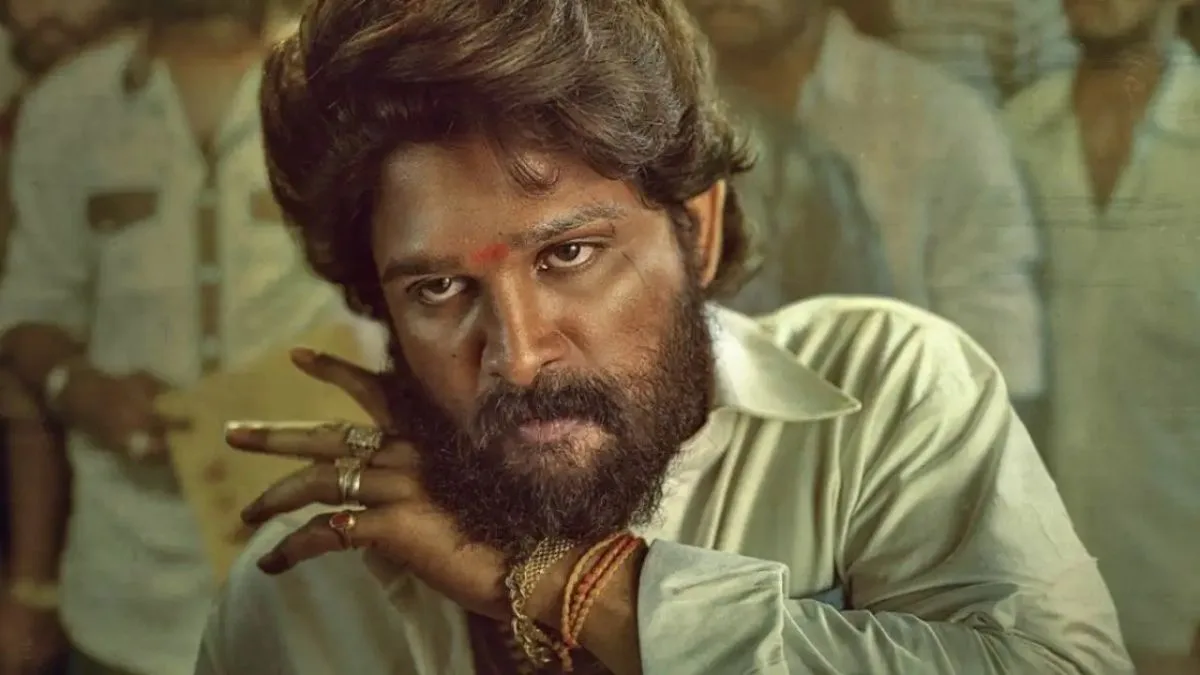
Telugu star Allu Arjun walked into legal protection territory where even his voice and face can’t be casually borrowed for money or clicks.
The Delhi High Court has stepped in with an interim order protecting his personality rights. That means no one is allowed to use his name, voice, image, or likeness for commercial gain or impersonation without permission.
Advertisement
The order came on April 17 in a case filed by the actor himself. Justice Tushar Rao Gedela noted that Allu Arjun has built what he called a “stellar career”. He pointed out that his popular dialogues and distinct style have created what the court described as an “iconic status.”
Court draws a clear line around identity use
The court treated Allu Arjun’s personal identity as something with legal ownership attached to it. It said his name, appearance, and voice are in public memory, and therefore nobody can use them freely for profit.
According to the order, he holds exclusive rights over the commercial use of these attributes. The court also said that if protection was not given immediately, the actor could suffer irreparable harm. This interim relief stops any unauthorised use while case continues.
This protection is not limited to traditional misuse. Order specifically covers modern digital manipulation tools like artificial intelligence, generative AI, machine learning systems, deepfakes, face-morphing technologies.
These restrictions apply across all platforms, including websites, social media, and even virtual spaces like the metaverse.
AI, deepfakes and online misuse pulled into spotlight
The court also directed social media platforms to take down certain infringing content flagged in the case. The issue here was not just old-style impersonation, but newer forms of digital cloning and content manipulation.
Senior advocate Swathi Sukumar, representing the actor, told the court that Allu Arjun’s identity was in use in multiple unauthorised ways.
This included merchandise carrying his image and signature, voice-cloning tools, AI chatbots made to imitate him, and even obscene content created using his likeness.
The order reflects growing concern around how quickly AI-based tools can reproduce a celebrity’s identity without consent and then circulate it widely for profit or engagement.